Mitigating Cross-Contamination Risks in Genomics Automation Workflows
Mitigating Cross-Contamination Risks in Genomics Automation Workflows
As genomics continues to scale, from research laboratories to clinical diagnostics, automation has become integral in increasing throughput, consistency, and reproducibility. However, with the complexity of simultaneous handling of many reagents, including patient DNA samples, primers, master mixes, enzymes, and so on, the risk of cross-contamination remains one of the most critical challenges facing genomics automation workflows.
In this blog, we explore why cross-contamination occurs, how it impacts data quality and patient outcomes, and current methodologies used to mitigate it.
Why Cross-Contamination Matters
In workflows where DNA from different sources is handled in parallel, even trace amounts of contaminant nucleic acid can lead to false positives, ambiguous results, or failed assays. Cross-contamination can occur through a variety of vectors: aerosolized droplets, residual fluid on pipette tips, splashing during plate handling, or carry-over from improperly cleaned surfaces.
In clinical settings, the stakes are especially high. An erroneous result could influence a diagnosis or treatment decision. In research and development, contamination undermines reproducibility and can lead to wasted resources and time.
Common Strategies to Reduce Cross-Contamination
There are several established approaches for minimizing contamination in automated genomics workflows:
1. Clean Workflow Design
Organizing lab space and automation routines into clearly separated pre- and post-PCR zones limits accidental mixing of high-copy-number products with sensitive reagents. Physical separation of sample preparation, amplification, and analysis reduces cross-contact risk.
2. Aerosol-Resistant Barriers and Filtration
Using aerosol-barrier pipette tips, particularly in liquid handling robots, reduces the chance that aerosols from one sample will contaminate subsequent ones. Filters in tips prevent liquid and vapor from entering the pipetting instrument itself.
3. UV and Chemical Decontamination
Ultraviolet irradiation and validated chemical treatments (e.g., hypochlorite, DNase solutions) applied routinely to deck surfaces and instrumentation can break down DNA contaminants. Scheduled decontamination cycles are built into many high-end automation platforms.
4. Rigorous Sample Tracking
Barcoding and robust sample management software ensure that samples are tracked precisely from receipt through processing. Misidentification and misplacement contribute to cross-contamination risks and are mitigated through digital control.
5. Disposable Tips
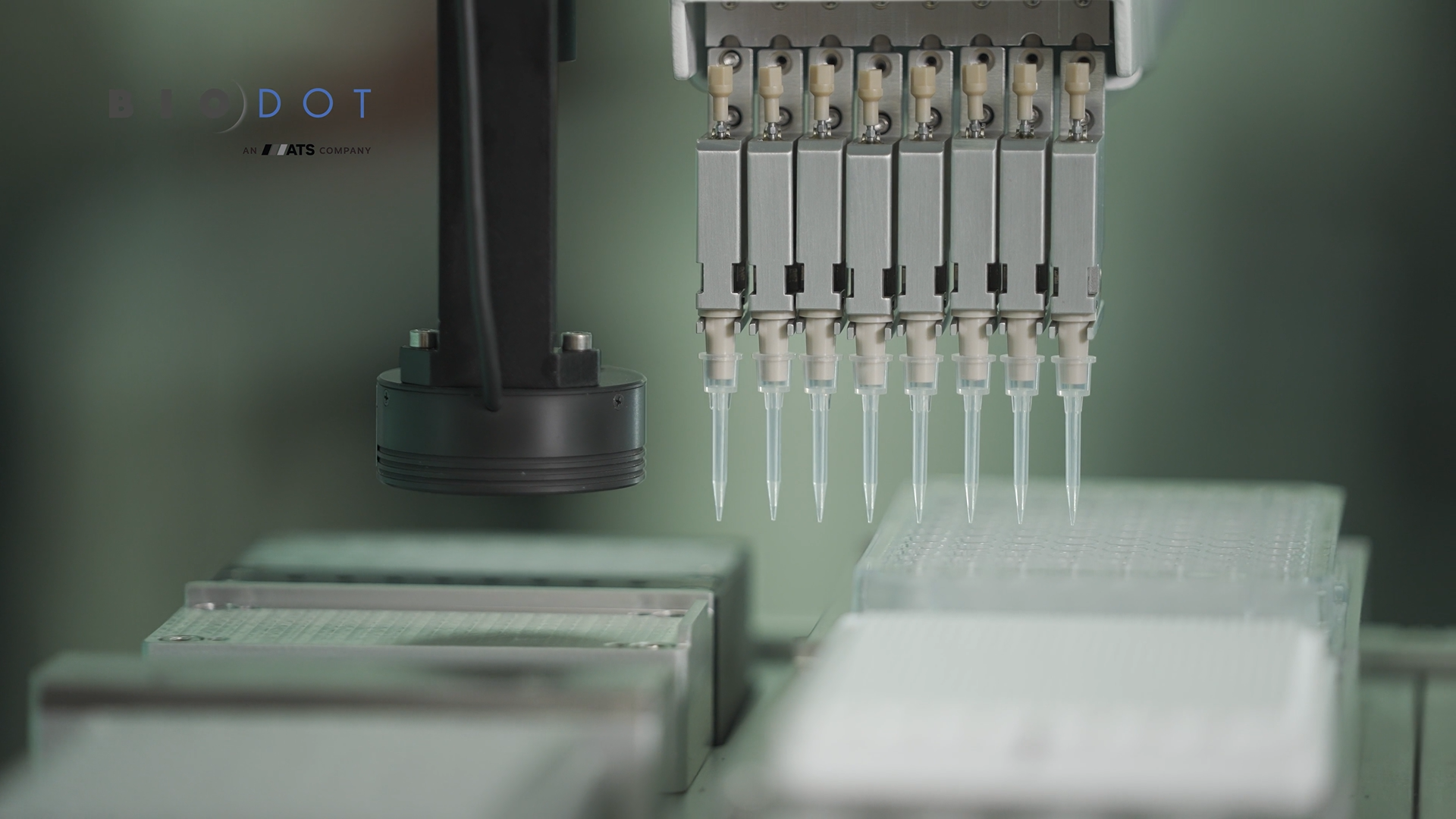
One of the most visible methods for combating cross-contamination in automated systems is the use of disposable pipette tips. At a basic level, disposable tips eliminate the risk of carry-over between samples that can occur with reusable tips, assuming tips are changed regularly and handled correctly.
Moreover, some automation platforms on the market have innovated with:
- Pre-sterilized, individually wrapped tips
- Filter tips with enhanced barrier protection
- Tip management systems that automate tip retrieval and ejection
These solutions are invaluable in high-throughput settings, but they come with limitations:
- Limited Precision at Scale: As workflows demand miniaturization and non-standard volumes, conventional disposable tips may introduce variability or fail to support the precision required for cutting-edge assays.
- Operational Overhead: Automated tip racks and storage can consume valuable deck space, complicating workflow design and throughput optimization.
- Platform Lock-In: Many systems require proprietary tips that only fit specific robots or pipetting heads, reducing flexibility and increasing long-term costs.
In other words, while disposable tips are a proven and preferred approach, there is still an opportunity for innovation, an opportunity to deliver the benefits of disposability without compromising accuracy, workflow freedom, or system efficiency.
Emerging Approaches and Integrated Solutions
Integrated workflows that combine hardware design, fluidics engineering, and contamination control are emerging. These solutions aim to reduce dependence on consumables while maintaining high precision and reproducibility. Advanced robotics, closed-loop fluidics, and intelligent software help minimize unnecessary reagent exposure and physical contact points.
Yet, the market still lacks a solution that fully satisfies all user needs: precision, flexibility, and robust contamination prevention.
Closing Thought
Cross-contamination remains a persistent challenge in genomics automation, amplified by the diversity of reagents and growing demand for throughput and accuracy. While current methodologies, particularly disposable tips, play a critical role in addressing this challenge, they come with compromises that affect precision, flexibility, and reproducibility. Perhaps the next evolution lies in supporting precision and flexibility together, at every step.